
Churches are sometimes tempted to lend their support to political candidates with whom they share common values or interests. But U.S. tax law restricts the kinds of political speech churches and [...]

Copyright law intersects with church governance in a number of important ways. Sermons and other forms of oral or written ministry are subject to copyright. As is the music performed by a church [...]

Regardless of how a church is organized, whether as a nonprofit association or corporation, it should have a governing document that sets out the basic features of its management. Unincorporated [...]

Since its beginning under George W. Bush, the federal government’s “faith-based initiative” has offered grants to qualified religious organizations to assist them with their charitable work. The [...]

Nonprofit groups of all kinds, especially churches, often begin their existence as unincorporated associations and only later decide that forming a nonprofit corporation is the right choice for [...]
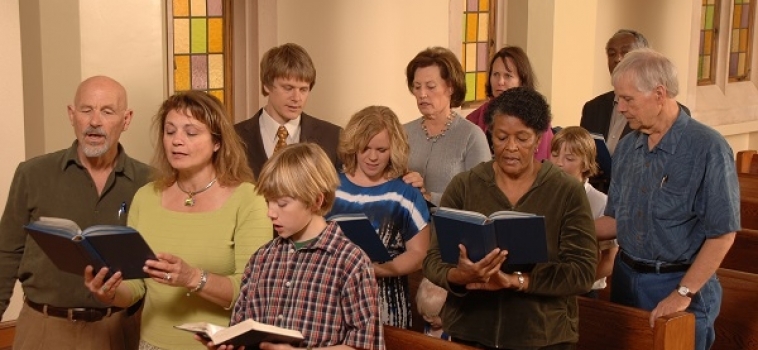
In recent years the role of churches as sanctuaries and asylums for people fleeing law enforcement has entered the spotlight. People facing deportation for immigration law violations have [...]

For a wide variety of reasons, many with deep historical or theological roots, churches often want to avoid entanglements with government agencies. Concerns about state interference in religious [...]

Church leaders owe their organizations and each other a range of special obligations. Some of these obligations are moral and ethical in nature, but some also have a legal character. Anyone who [...]

Churches often begin as an informal community of individuals who gather together to pursue common religious interests. A church can successfully operate like this for many years without problems. [...]

Like any legal entity, religious corporations can reach a point where they no longer have a purpose. A corporation can be formed for a church that ends up not going forward, or it can be formed [...]